
Choosing the right LED Track Light Manufacturer is an important decision for lighting distributors, wholesalers, importers, and commercial project contractors. A reliable supplier can help businesses source suitable products, maintain consistent specifications, develop private-label collections, and meet the changing requirements of commercial customers.
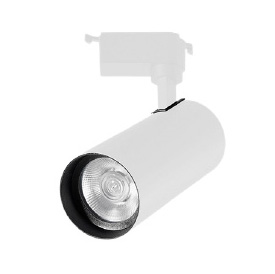
LED track lighting is widely used in retail stores, showrooms, galleries, hotels, and modern commercial interiors. Its directional design allows individual fixtures to illuminate products, displays, architectural details, and selected areas. For B2B buyers, however, selecting the right products involves more than comparing prices. Optical performance, electrical compatibility, quality control, production capabilities, and after-sales support all influence the long-term value of a purchasing decision.
OKES Lighting offers a range of lighting products for commercial and other applications. This guide explains how to evaluate a supplier, select appropriate track lighting specifications, compare wholesale offers, and build a long-term business relationship.
What to Expect from an LED Track Light Manufacturer
A professional LED Track Light Manufacturer should offer more than a catalogue of lighting fixtures. International buyers need a supplier that understands product specifications, commercial applications, quality consistency, and the practical requirements of wholesale distribution or project procurement.
Product Range and Technical Specifications
Different commercial environments require different lighting characteristics. A fashion retailer may prioritize accurate color presentation, while a showroom may need focused beams to highlight selected products. Hotels and restaurants may require lighting that complements interior design and creates a comfortable atmosphere.
When reviewing products, compare wattage, luminous flux, beam angle, color temperature, color rendering index (CRI), housing materials, and adjustment mechanisms. These specifications should be confirmed for each individual model rather than assumed to be identical across a supplier’s entire range.
Wattage alone does not determine how effectively a fixture illuminates a display. Buyers should also consider light distribution, mounting height, glare control, and the distance between the fixture and the target area. Request current technical datasheets so that your purchasing team can compare models using consistent criteria.
Explore the official OKES product catalogue to review available lighting products and identify suitable options for further evaluation.
Manufacturing Capability and Quality Control
Consistent product quality matters when distributors repeatedly sell the same model or contractors install multiple fixtures across one project. Variations in color appearance, brightness, finish, or electrical performance can lead to customer complaints, returns, and additional service costs.
Before placing an order, ask about incoming material inspections, production checks, finished-product testing, batch traceability, and procedures for handling quality issues. Request relevant test reports and supporting documents for the exact model you intend to purchase.
Manufacturing experience and production capacity are also important considerations. Buyers should confirm the supplier’s current production arrangements, minimum order quantities, expected lead times, and ability to support repeat orders. These details help determine whether the supplier can accommodate both initial purchases and future business growth.
Benefits of Commercial LED Track Lights for Different Applications
Commercial LED track lights combine directional illumination with a flexible fixture arrangement. Rather than distributing light uniformly across an entire ceiling, designers can direct individual fixtures toward specific targets and adjust the visual emphasis as displays or interior layouts change.
Retail Stores and Product Showrooms
Retail environments frequently change their product displays, seasonal collections, and promotional arrangements. Adjustable track lighting allows store operators to redirect illumination toward new displays without redesigning the entire lighting layout.
In clothing stores, focused beams can emphasize garments and display zones. Furniture showrooms can use directional illumination to highlight textures, finishes, and design details. Electronics retailers may use accent lighting to distinguish demonstration areas from surrounding circulation spaces.
For these applications, buyers should assess beam distribution, color rendering, glare control, and the distance between fixtures and the objects being illuminated. The objective is to improve product visibility without creating harsh reflections or distracting bright spots.
Hotels, Restaurants, and Architectural Interiors
Hospitality environments often use layered lighting to create a particular atmosphere. Track fixtures can provide accent illumination for artwork, decorative walls, architectural features, and selected furniture arrangements.
The appropriate specification depends on the intended function and mood. Warm color temperatures may suit intimate hospitality settings, while neutral white light may be preferred in some retail and exhibition environments. The final choice should account for interior materials, ambient lighting, visual comfort, and the client’s design requirements.
Flexible Lighting for Changing Layouts
Track lighting can be useful in spaces where displays or room arrangements change regularly. Depending on the system design, individual fixtures can be repositioned along a compatible track to accommodate new layouts.
This flexibility may benefit pop-up stores, exhibition spaces, and retailers that frequently update their product presentations. Buyers must still verify the track standard, connector design, electrical arrangement, and permitted fixture configurations before ordering. Compatibility should never be assumed simply because two products are described as track lights.
How to Choose an LED Track Light Manufacturer for Your Business
Selecting a supplier should begin with a clear understanding of the intended application. A detailed specification enables manufacturers to recommend suitable products and allows purchasing teams to compare quotations on an equivalent basis.
Define the Required Lighting Performance
Start by identifying the purpose of the lighting. General illumination, accent lighting, and product-display lighting have different requirements. Consider mounting height, target area, desired beam spread, ambient light levels, and the visual appearance of illuminated objects.
Compare luminous output, optical distribution, efficacy, CRI, and glare characteristics where relevant. For projects that require consistent color appearance, specify the desired color quality and confirm the available product data.
If lighting calculations are important, provide floor plans, ceiling heights, display locations, and project requirements to the supplier. A lighting layout or professional simulation can help determine fixture quantities and positioning more accurately than estimating from wattage alone.
Verify Track and Electrical Compatibility
Before purchasing, verify the track system, electrical supply, connector design, and control requirements. Single-circuit systems, three-circuit systems, and other track configurations are not automatically interchangeable.
If the project requires dimming or specialized controls, confirm compatibility between the fixture, driver, track, and control equipment. Ask for written confirmation when compatibility is uncertain.
International buyers should also check rated voltage, frequency, labeling, and market-specific compliance requirements against the regulations of the destination country. Relevant certifications and declarations should be verified for the particular product model, not assumed from general company information.
Compare Total Cost of Ownership
A lower purchase price does not necessarily provide better commercial value. Buyers should consider product performance, installation requirements, packaging, shipping, maintenance expectations, spare parts, and warranty terms when comparing offers.
For wholesalers, inconsistent batches or frequent product returns can cost more than a small difference in the original unit price. For contractors, installation compatibility and accurate technical documentation can affect project schedules and commissioning.
Request quotations based on the same specifications, quantities, packaging requirements, and delivery terms. This makes comparisons more meaningful and reduces the risk of overlooking important differences.
Why Consider OKES as Your LED Track Light Manufacturer?
For distributors and project buyers seeking a long-term lighting partner, manufacturing experience, product variety, and communication are useful starting points. OKES Lighting was established in 1993 and is based in Guzhen Town, Zhongshan, Guangdong, China, an established center for China’s lighting industry.
Buyers can learn more about the company’s background through the About OKES page.
A Broader Lighting Product Portfolio
Sourcing several lighting categories from one supplier may simplify product planning for wholesalers and distributors. In addition to track lighting, OKES offers a broader product portfolio that buyers can explore for commercial and other lighting requirements.
This may be useful when developing a coordinated product range or sourcing multiple lighting categories for a project. Each product should nevertheless be evaluated individually against its intended application, technical specifications, and market requirements.
Visit the OKES product catalogue to review available models and identify products for further assessment.
OEM and ODM Opportunities
OEM and ODM cooperation can help established brands, importers, and distributors develop products that align with their target markets. Depending on the model and agreed production arrangements, discussions may cover product selection, branding, packaging, design requirements, and technical specifications.
Before beginning a customized order, provide a clear brief describing your target market, expected volume, preferred appearance, required performance, packaging needs, and compliance requirements. Ask the supplier to confirm which changes are feasible, what documentation can be provided, and whether samples are available for evaluation.
For more information about manufacturing cooperation, visit the OKES OEM/ODM lighting guide.
Communication and Long-Term Supply Planning
A dependable supplier relationship requires clear communication before and after an order. Confirm quotation validity, sample approval procedures, production lead times, inspection arrangements, shipping terms, warranty coverage, and the process for addressing defects.
For repeat purchases, establish an agreed specification and reference sample where appropriate. Maintaining consistent documentation makes it easier to reorder the same product and identify changes that require approval.
B2B buyers should confirm minimum order quantities, payment terms, packaging options, and current production capacity directly with the sales team. These details may vary by model, order size, and customization requirements.
Common Mistakes When Buying Wholesale LED Track Lights
Even experienced buyers can encounter avoidable problems when product requirements are not clearly documented. The following precautions can help reduce procurement risks.
Choosing by wattage alone: Two fixtures with the same power rating may deliver different luminous output, beam distribution, and visual results. Compare complete technical specifications instead of wattage alone.
Ignoring color rendering: Retail and display applications may require accurate color presentation. Confirm the CRI and other relevant color-quality information for the exact model.
Assuming universal track compatibility: Verify the track standard, connector, electrical arrangement, and mechanical fit before confirming an order.
Overlooking market compliance: Identify the certifications, declarations, labeling, and electrical requirements that apply in the destination market. Ask for documentation relevant to the specific model rather than relying on general company claims.
Failing to approve samples: Where practical, evaluate samples before mass production. Check appearance, installation, light distribution, packaging, and the agreed technical specifications.
Neglecting after-sales arrangements: Agree on warranty conditions, spare-part availability, complaint procedures, and responsibilities for defective products before placing a substantial order.
Conclusion: Find the Right LED Track Light Manufacturer
Choosing the right LED Track Light Manufacturer requires a balanced assessment of product performance, track compatibility, manufacturing capability, quality control, customization options, and long-term commercial support.
For distributors, a suitable supplier can help build a consistent product range. For contractors and project buyers, clear specifications and technical coordination can reduce procurement and installation risks. Comparing complete quotations, reviewing samples, and verifying compliance documentation are practical steps toward a more reliable purchasing decision.
OKES Lighting offers track lighting products within a broader lighting portfolio and provides information about its company background and OEM/ODM cooperation. Buyers should confirm the technical details, availability, pricing, and compliance documentation of individual products directly with the company.
Looking for an LED Track Light Manufacturer for your next wholesale order, private-label collection, or commercial lighting project? Contact OKES Lighting to discuss your requirements, request product information, and explore a suitable cooperation plan.
Visit the OKES Contact Us page to start your inquiry.
FAQ: LED Track Light Manufacturer
1. What should I look for in an LED Track Light Manufacturer?
Evaluate the product range, technical documentation, quality-control procedures, manufacturing capacity, communication, warranty terms, and after-sales support. Also confirm that the supplier can provide relevant documentation for your destination market and intended application.
2. What types of projects use commercial LED track lights?
They are commonly used in retail stores, showrooms, galleries, hotels, restaurants, and other commercial interiors. The appropriate fixture depends on mounting height, beam angle, required brightness, glare control, color rendering, and the overall lighting design.
3. Can OKES support OEM and ODM lighting projects?
OKES provides OEM/ODM lighting cooperation. Buyers should discuss the requested design, branding, packaging, technical specifications, order quantities, and customization feasibility with the company before confirming an order.
4. How can I compare wholesale LED track lighting suppliers?
Compare equivalent models and specifications, including luminous output, CRI, beam angle, electrical compatibility, product construction, compliance documentation, packaging, warranty, and delivery terms. Evaluate samples where practical and consider total cost of ownership rather than unit price alone.
5. What information should I provide when requesting a quotation?
Include your target market, intended application, estimated quantity, preferred wattage and color temperature, track system, dimming requirements, branding or packaging needs, compliance requirements, and expected delivery schedule. Drawings, photographs, or existing product specifications can help the supplier assess your requirements.
6. How do I confirm track light compatibility?
Provide the supplier with details of the existing track system, including its type, connector, electrical arrangement, and any control requirements. Obtain confirmation of compatibility before ordering, especially for projects involving existing installations.
7. How can I contact OKES about track lighting products?
Visit the official OKES Contact Us page to discuss product selection, wholesale purchasing, OEM/ODM cooperation, and commercial lighting requirements.