
An LED Light Source Bulb is one of the most widely used lighting products in residential, commercial, and general-purpose illumination. Designed to replace traditional incandescent and energy-saving lamps, LED bulbs combine efficient light output, compact structures, and a variety of shapes and base types. They are used in homes, offices, hotels, retail stores, restaurants, public buildings, and many other environments.
For lighting importers, wholesalers, distributors, electrical contractors, and project buyers, selecting the right LED Light Source Bulb involves more than comparing prices and wattage. Bulb shape, base compatibility, lumen output, color temperature, color rendering, driver performance, and operating environment all influence product suitability.
A reliable bulb should match the fixture, provide appropriate illumination, and deliver consistent performance under the intended operating conditions. For businesses purchasing in volume, product consistency, packaging, technical documentation, and supplier support are also important considerations.
This guide introduces the main types of LED Light Source Bulb, explains their applications, and outlines the key factors buyers should evaluate when selecting products for different markets.
1. What Is an LED Light Source Bulb?
An LED Light Source Bulb is a lamp that uses light-emitting diodes (LEDs) to produce illumination. Unlike traditional incandescent bulbs, which generate light by heating a filament, LED bulbs produce light through semiconductor components.
Most LED bulbs integrate several functional parts into a compact housing:
-
LED chips: The semiconductor components that generate light.
-
Driver: Regulates the electrical power supplied to the LED chips.
-
Optical cover or diffuser: Helps distribute light and reduce direct exposure to the LED components.
-
Housing: Protects internal components and provides structural support.
-
Heat-dissipation structure: Helps manage operating temperature.
-
Lamp base: Connects the bulb to a compatible socket or fixture.
The design varies according to bulb type, power level, base, and intended application. Some products use a familiar bulb shape for direct replacement, while others have specialized structures for directional lighting or particular fixtures.
An LED Light Source Bulb is not a complete lighting fixture in every application. It generally needs to be installed in a compatible lamp holder or luminaire. Buyers should therefore check both the bulb specifications and the fixture requirements before purchasing.
2. Common Types of LED Light Source Bulb
Different bulb designs serve different lighting purposes. Understanding their structures and applications helps distributors and project buyers build a product range that meets local market demand.
A-type LED bulbs have a familiar rounded shape and are commonly used as replacements for traditional household bulbs. They are suitable for many general lighting applications, including bedrooms, living rooms, kitchens, corridors, and offices.
Their widespread use makes them an important category for electrical wholesalers and lighting retailers. When sourcing A-type bulbs, buyers should check the base type, bulb dimensions, lumen output, color temperature, and compatibility with existing fixtures.
Their appearance is particularly important in decorative applications. Buyers should evaluate the bulb’s dimensions, base, light distribution, color temperature, and visual finish to ensure it matches the fixture design.
OKES lists C37 candle light bulbs with E14 and E27 base options in its Light Source product category. Specific power options and availability should be confirmed with the supplier for the selected model.
T-shaped LED bulbs use a tubular or T-style body design. Depending on the product structure, they may be used in general lighting fixtures, selected commercial installations, and applications requiring a particular bulb profile.
When choosing this type of LED Light Source Bulb, check its overall dimensions, socket compatibility, light distribution, and installation clearance. A bulb that is too large may not fit an enclosed or compact fixture.
OKES’s official Light Source catalogue includes T-shaped bulb products in several listed power options. Buyers should request the current product datasheet to confirm exact specifications.
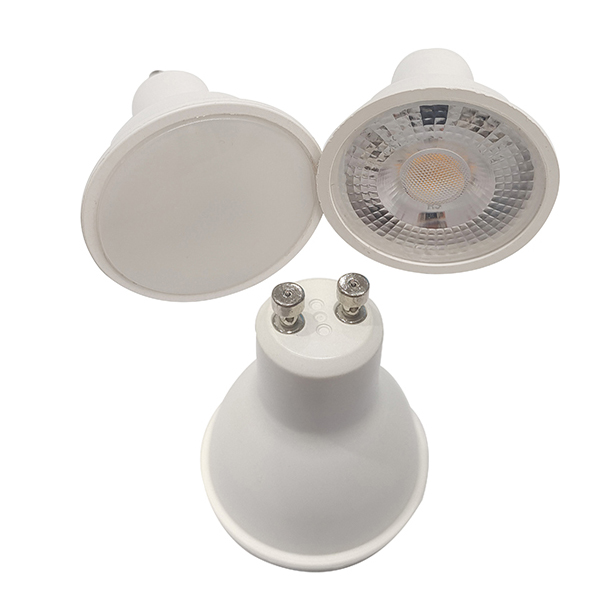
GU10 LED bulbs are commonly used in compatible spotlight fixtures and recessed spotlight housings. Their directional light distribution makes them suitable for accent lighting, display areas, kitchens, retail spaces, and selected residential applications.
Before ordering, confirm the GU10 base, fixture compatibility, beam angle, light output, and whether the bulb is intended for the relevant electrical supply. Buyers should not assume that every GU10 lamp has identical dimensions or electrical characteristics.
OKES lists 5–7W plastic GU10 LED bulbs in its Light Source category. Confirm the current model details and market availability directly with OKES.
LED Corn Bulbs use multiple LED elements arranged around a central body, creating a structure that resembles a corn cob. Depending on the design, they can provide broad light distribution and are used in selected commercial, industrial, and general-purpose fixtures.
Buyers should pay attention to bulb dimensions, socket type, lumen output, heat management, and fixture compatibility. Enclosed fixtures may require particular attention to operating temperature and product suitability.
OKES lists E27 and E14 LED corn light bulbs in its official Light Source range. For buyers evaluating this category in greater detail, the product-specific information should be reviewed separately from general LED Light Source Bulb selection.
3. Where Are LED Light Source Bulbs Used?
The versatility of LED Light Source Bulb products makes them suitable for many environments. However, the ideal bulb depends on the lighting purpose, fixture design, operating hours, and required visual effect.
Residential Lighting
Residential lighting is one of the most common applications. LED bulbs can be installed in ceiling fixtures, table lamps, wall lights, pendant lamps, and decorative luminaires.
Different rooms may require different lighting characteristics:
-
Living rooms often benefit from comfortable, warm or neutral lighting.
-
Bedrooms typically prioritize visual comfort and a relaxing atmosphere.
-
Kitchens require practical illumination for food preparation and daily activities.
-
Hallways and corridors need sufficient visibility and consistent light distribution.
-
Decorative fixtures may require candle-shaped bulbs or other specific profiles.
For residential replacement projects, base compatibility and bulb dimensions should be checked before ordering.
Commercial and Office Lighting
Offices, reception areas, meeting rooms, and small commercial premises may use LED Light Source Bulb products in compatible fixtures.
For these applications, buyers should consider brightness, color temperature, color rendering, and operating hours. If the bulbs are used for extended periods, driver quality and thermal management become particularly important.
In some commercial spaces, replaceable bulbs offer a practical option for maintaining existing luminaires without replacing the complete fixture.
Retail Stores and Display Lighting
Retail environments need lighting that helps customers see merchandise clearly. LED bulbs can be used in compatible spotlights, display fixtures, decorative pendants, and general lighting points.
For clothing, cosmetics, furniture, and specialty retail, color rendering can influence how products appear under artificial light. Buyers should review CRI information and, where possible, evaluate samples with the actual merchandise.
Directional GU10 bulbs may be considered for selected display applications, while general-purpose bulbs can support ambient illumination in compatible fixtures.
Hotels and Restaurants
Hotels and restaurants use a wide variety of decorative and functional luminaires. LED Light Source Bulb products can be used in guest rooms, corridors, restaurants, reception areas, wall lamps, and chandeliers.
Candle bulbs may suit decorative fixtures, while standard bulb shapes may be used in general-purpose fittings. The selected color temperature should match the atmosphere and design concept of each area.
For hospitality projects, buyers should also consider consistent appearance across multiple rooms and the availability of replacement products for future maintenance.
Public and Property Management Projects
Property managers, renovation contractors, and facility maintenance teams often need replacement bulbs for existing lighting installations.
In these projects, the first step is to identify the original socket, voltage, bulb dimensions, and lighting requirements. Choosing a replacement based only on wattage can result in an unsuitable fit or different brightness.
For large properties, standardized product specifications can make procurement, inventory management, and future replacement easier.
4. Key Specifications to Check When Choosing an LED Light Source Bulb
A product catalogue may contain many LED bulb models that look similar but differ in electrical, optical, and mechanical characteristics. Buyers should compare the following specifications before confirming an order.
Wattage and Lumen Output
Wattage describes the electrical power consumed by a bulb, while lumens measure the total visible light output. These two values should be evaluated together.
A higher-wattage bulb does not always produce proportionally more light. Different LED chips, drivers, and optical designs can result in different luminous efficacy.
When comparing LED Light Source Bulb products, buyers should review:
-
Rated power consumption.
-
Lumen output.
-
Luminous efficacy, measured in lumens per watt.
-
Intended application and required brightness.
-
Compatibility with the existing fixture.
For replacement projects, compare the new bulb’s lumen output with the original lamp rather than relying only on the old wattage.
Base Type and Socket Compatibility
Base compatibility is one of the most important considerations when purchasing LED bulbs. A bulb may have suitable brightness and appearance but still be unusable if its base does not match the fixture.
Common base types include:
| Base type | Typical applications |
|---|---|
| E27 | General household and commercial fixtures |
| E14 | Smaller decorative lamps and candle fixtures |
| GU10 | Directional spotlights and compatible recessed fixtures |
| B22 | Bayonet-style lamp holders in applicable markets |
These are common examples, not a complete list. Base standards and market preferences vary by country. Buyers should confirm the exact base specification and local socket requirements before importing.
Color Temperature
Color temperature, measured in Kelvin (K), determines whether the light appears warm, neutral, or cool.
| Color temperature | Appearance | Common applications |
|---|---|---|
| 2700K–3000K | Warm white | Bedrooms, living rooms, hotels, restaurants |
| Around 4000K | Neutral white | Offices, kitchens, retail interiors |
| 5000K–6500K | Cool white or daylight | Selected work areas and utility spaces |
The appropriate color temperature depends on the intended atmosphere, interior materials, and local customer preferences. For wholesale orders, confirm the available color options and color consistency across batches.
Color Rendering Index (CRI)
CRI indicates how accurately a light source reveals the colors of objects compared with a reference light source.
A higher CRI may be important for retail stores, clothing displays, restaurants, and other spaces where color appearance affects the user experience. General lighting applications may have different requirements.
Buyers should request the CRI value for the exact LED Light Source Bulb model rather than assuming that all products within one category share the same performance.
Beam Angle and Light Distribution
Beam angle describes how light spreads from a bulb. A wide distribution is often suitable for general illumination, while a narrower beam may be more appropriate for accent lighting or display applications.
The bulb shape and optical cover can influence the distribution pattern. For example, a standard A-type bulb and a GU10 spotlight bulb are generally designed for different lighting purposes.
When evaluating beam angle, consider fixture design, mounting height, target surface, and the position of the light source.
Driver Performance and Electrical Compatibility
The driver is an important part of an LED bulb because it regulates the power supplied to the LED components. Driver design can influence electrical stability, flicker performance, and compatibility with control equipment.
Before purchasing, confirm:
-
Rated input voltage and frequency.
-
Driver configuration.
-
Whether dimming is supported.
-
Compatibility with the intended dimmer.
-
Any applicable electrical or safety requirements.
Not every LED Light Source Bulb is dimmable. If dimming is required, buyers should confirm the supported dimming method and test compatibility with the actual control equipment.
Heat Dissipation and Operating Environment
Although LEDs are generally more energy-efficient than traditional incandescent sources, LED bulbs still generate heat. Excessive operating temperature can affect component performance and product life.
The housing material, internal layout, ventilation, driver design, and fixture conditions all influence thermal performance.
Buyers should pay particular attention when bulbs will be installed in enclosed fixtures or environments with limited airflow. Always check the manufacturer’s instructions regarding suitable operating conditions.
5. LED Light Source Bulb vs. Traditional Light Bulbs
LED technology has become a common choice for new lighting installations and replacement projects. Understanding the differences between LED and traditional bulbs helps buyers explain product value to their customers.
| Comparison | LED Light Source Bulb | Incandescent Bulb | CFL Bulb |
|---|---|---|---|
| Light generation | Semiconductor technology | Heated filament | Fluorescent discharge |
| Energy efficiency | Generally higher | Generally lower | Generally higher than incandescent |
| Operating life | Product-dependent, typically longer | Generally shorter | Varies by model and usage |
| Heat generation | Lower than incandescent in typical use, but still requires thermal management | High | Varies by design |
| Switching | Generally provides instant illumination | Instant | Some models require warm-up |
| Product shapes | Standard and specialized designs | Traditional bulb designs | Multiple shapes and sizes |
| Environmental considerations | No mercury in the LED light source itself | No mercury | Contains mercury and requires appropriate disposal |
For businesses replacing traditional lighting, LED bulbs can offer opportunities to reduce electricity consumption and maintenance frequency. However, the actual benefits depend on product quality, usage hours, operating conditions, and the performance of the previous lighting system.
6. What Should Importers and Wholesalers Consider?
For importers, wholesalers, retailers, and lighting distributors, purchasing an LED Light Source Bulb is not only a technical decision. It also involves market demand, product assortment, logistics, quality consistency, and supplier cooperation.
Build a Product Range for the Target Market
Different markets may have different preferences for bulb shapes, base types, color temperatures, and packaging. Before placing a bulk order, analyze the needs of local customers.
A distributor serving residential customers may prioritize standard bulbs and decorative candle bulbs. A supplier serving commercial maintenance companies may need a broader range of bases and wattages.
A balanced product portfolio can help wholesalers serve different customer groups without holding unnecessary inventory.
Confirm Destination-Market Requirements
Electrical products may be subject to different regulatory and safety requirements in different countries. Buyers should identify the applicable requirements before ordering and request documentation for the exact product models.
Do not assume that a certificate for one bulb model automatically covers every product in a supplier’s catalogue. Model numbers, electrical configurations, and destination markets should be checked carefully.
Evaluate Samples Before Bulk Purchasing
Samples help buyers assess product appearance, dimensions, brightness, color temperature, base fit, and overall construction.
For larger orders, it is useful to approve a reference sample and document its key specifications. This provides a clearer basis for checking subsequent production batches.
Clarify Packaging and Labeling
Packaging is important for both product protection and retail presentation. Buyers should discuss the following details with the supplier:
-
Individual bulb packaging.
-
Carton quantity and dimensions.
-
Product labels and model numbers.
-
Rated electrical information.
-
Barcode or private-label requirements, if applicable.
-
Packaging language for the destination market.
Clear labeling can also help distributors manage inventory and respond to customer questions.
Check Production Consistency and Quality Inspection
For repeat orders, consistency in light output, color appearance, dimensions, and packaging is important.
Buyers should ask the supplier about its inspection procedures, including checks on product appearance, electrical performance, and finished-product quality. The inspection criteria should be agreed upon according to the product and order requirements.
Compare Total Purchasing Costs
Unit price is only one part of the purchasing decision. Importers should also consider packaging, freight, import duties, product returns, replacement requirements, and after-sales communication.
A supplier offering clear documentation and consistent product specifications may help reduce avoidable problems throughout the purchasing process.
7. Why Explore OKES LED Light Source Bulb Products?
When selecting an LED Light Source Bulb supplier, buyers should evaluate product range, manufacturing experience, customization capabilities, and service arrangements.
OKES Lighting was founded in 1993 and is based in Guzhen Town, Zhongshan, China. Its official website describes its experience in traditional and LED light sources, with a broad lighting portfolio serving residential, commercial, and engineering applications.
Zhongshan OKES Lighting Appliance Co., Ltd.
A Diverse Light Source Product Range
The OKES Light Source category includes several product types, such as bulbs, lamp cups, corn lights, and tubes. Its published product listings include C37 candle bulbs, GU10 LED bulbs, T-shaped bulbs, and E27/E14 corn bulbs.
China Light Source Factory & Suppliers
This range gives buyers different product categories to explore when developing a lighting assortment. For current specifications, available models, and order details, consult the OKES Light Source product page.
Manufacturing and Product Development Experience
OKES states that it has more than 30 years of experience in lighting production, sales, and service. Its company profile also describes lighting research and development, production facilities, and quality management resources.
Zhongshan OKES Lighting Appliance Co., Ltd.
For buyers, these company-level details provide background when evaluating a supplier. Product selection should still be based on the technical information, samples, and applicable documents for each individual model.
OEM and ODM Cooperation
For importers and distributors developing their own product ranges, OEM and ODM cooperation may help align product selection, branding, and packaging with local market requirements.
OKES states on its official website that it supports OEM and ODM cooperation for global enterprises. Buyers should provide clear requirements covering bulb type, base, power, color temperature, packaging, target market, and expected order quantity so that the company can assess feasibility.
Zhongshan OKES Lighting Appliance Co., Ltd.
Communication and After-Sales Support
Clear communication is important when purchasing lighting products internationally. Buyers should confirm product specifications, order details, lead times, warranty terms, and the process for handling product issues before placing an order.
For LED Light Source Bulb enquiries, contact OKES directly to request current product information and discuss wholesale or customization requirements.
Conclusion
LED Light Source Bulb products play an important role in modern residential, commercial, and general-purpose lighting. With different shapes, base types, optical designs, and power options, LED bulbs can serve a wide range of lighting requirements.
Choosing the right product requires careful evaluation of lumen output, wattage, color temperature, CRI, beam angle, socket compatibility, driver performance, and heat dissipation. For replacement projects, matching the bulb base and dimensions is especially important.
For importers, wholesalers, distributors, and electrical contractors, supplier selection is equally important. Samples, model-specific technical documentation, quality inspection, packaging, destination-market compliance, and after-sales arrangements should all be considered before confirming bulk orders.
With its long-standing experience in the lighting industry and a product portfolio covering multiple light source categories, OKES offers LED Light Source Bulb options for buyers exploring different market requirements. Contact OKES to discuss your product specifications, request samples, and explore wholesale or OEM/ODM cooperation.
Frequently Asked Questions About LED Light Source Bulb
1. What is an LED Light Source Bulb?
An LED Light Source Bulb is a lamp that uses semiconductor LED chips to produce light. It is commonly used in residential, commercial, decorative, and general-purpose lighting applications.
2. What are the common types of LED Light Source Bulb?
Common types include A-type bulbs, candle bulbs, T-shaped bulbs, GU10 bulbs, and LED corn bulbs. Each type has different dimensions, base designs, and lighting applications.
3. What is the difference between E14 and E27 LED bulbs?
E14 and E27 refer to different screw-base sizes. E14 is commonly used in smaller decorative fixtures, while E27 is widely used in general-purpose lighting. Always check the socket specification before purchasing.
4. Are LED Light Source Bulbs energy efficient?
LED bulbs generally use less electricity than traditional incandescent bulbs for comparable light output. Actual efficiency depends on the bulb’s lumen output, power consumption, and product design.
5. Can LED Light Source Bulbs be dimmed?
Some LED bulbs support dimming, but not all models are dimmable. Buyers should confirm the product’s driver and dimmer compatibility before purchasing.
6. How do I choose the right LED bulb for an existing fixture?
Check the socket type, rated voltage, bulb dimensions, available installation space, lumen output, and required color temperature. For enclosed fixtures, also confirm that the bulb is suitable for the operating conditions.
7. What should wholesalers check before purchasing LED bulbs in bulk?
Wholesalers should evaluate product specifications, sample quality, base compatibility, packaging, model-specific compliance documents, production consistency, warranty terms, and delivery arrangements.
8. Does OKES supply different types of LED Light Source Bulb?
OKES lists several light source products, including C37 candle bulbs, GU10 bulbs, T-shaped bulbs, and corn bulbs. Contact the company to confirm current models, specifications, and availability.
Contact OKES for LED Light Source Bulb Products
Are you looking for LED Light Source Bulb products for wholesale distribution, retail sales, electrical projects, or your own lighting brand?
Contact OKES to discuss product options, technical specifications, samples, and OEM/ODM cooperation.
-
Website: www.okesled.com
-
Light Source Products: OKES Light Source Catalogue
-
Email: sales@okeslighting.com
-
Email: service@okeslighting.com
-
WhatsApp: +86 13189249015